
MG Landscape
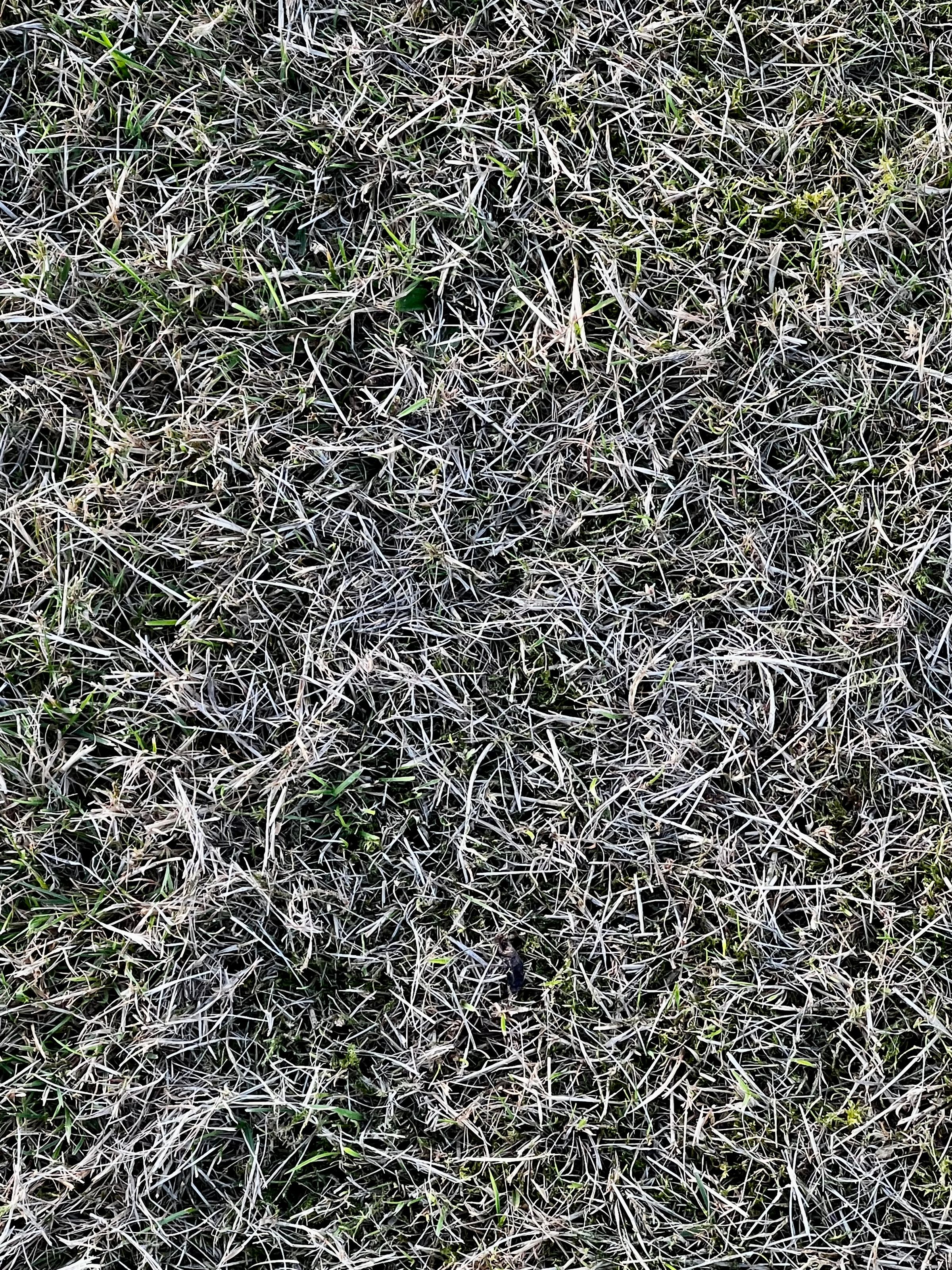
Thatch is the layer of dead stems and roots that builds up between the grass and the soil. A thin layer is normal and even helpful, but beyond about half an inch it blocks water, nutrients, and seed. We measure the thatch first, remove the excess by machine, and haul away what is pulled up. The lawn may look thin for a week or two afterward, which is expected, and it recovers well with good watering and, where needed, overseeding.
Dethatching is done only when the thatch layer calls for it, which is often every few years rather than every spring.
On site: Typically 2 to 4 hours, including cleanup.
What The Visit Includes
- Thatch depth measured before any work begins
- Machine dethatching matched to the actual buildup
- Pulled material collected and hauled away
- Walks and beds cleaned up afterward
- Overseeding recommended where thin areas open up
- Watering and mowing guidance for recovery
- A plain recommendation to skip it if your thatch is still healthy
How We Handle The Details
- We recommend dethatching only when the layer is thick enough to warrant it.
- We avoid dethatching during hot, dry stretches, when the lawn would struggle to recover.
- Irrigation heads and shallow utility lines are marked before the machine runs.
- On heavy clay, we may pair dethatching with aeration for better results.
Questions Before You Book
How do I know if my lawn needs it?
Cut out a small wedge of lawn and look at the brown, spongy layer between the grass and the soil. Under half an inch is usually fine. If the lawn feels springy underfoot, sheds water, or seed never seems to take, it is worth having us measure it.
Is this the same as aeration?
No. Aeration relieves compacted soil by removing small cores. Dethatching removes buildup on the surface. Some lawns benefit from both, but they address different problems.
Will my lawn look rough afterward?
Yes, for a short time. The lawn can look thin for a couple of weeks before it greens up again. If you have an event coming up, we'll schedule the work well ahead of it.
Should I fertilize right after?
A light, well-timed feeding can help recovery, but a heavy application on a stressed lawn can do harm. We'll coordinate dethatching with your fertilization schedule.