
MG Landscape
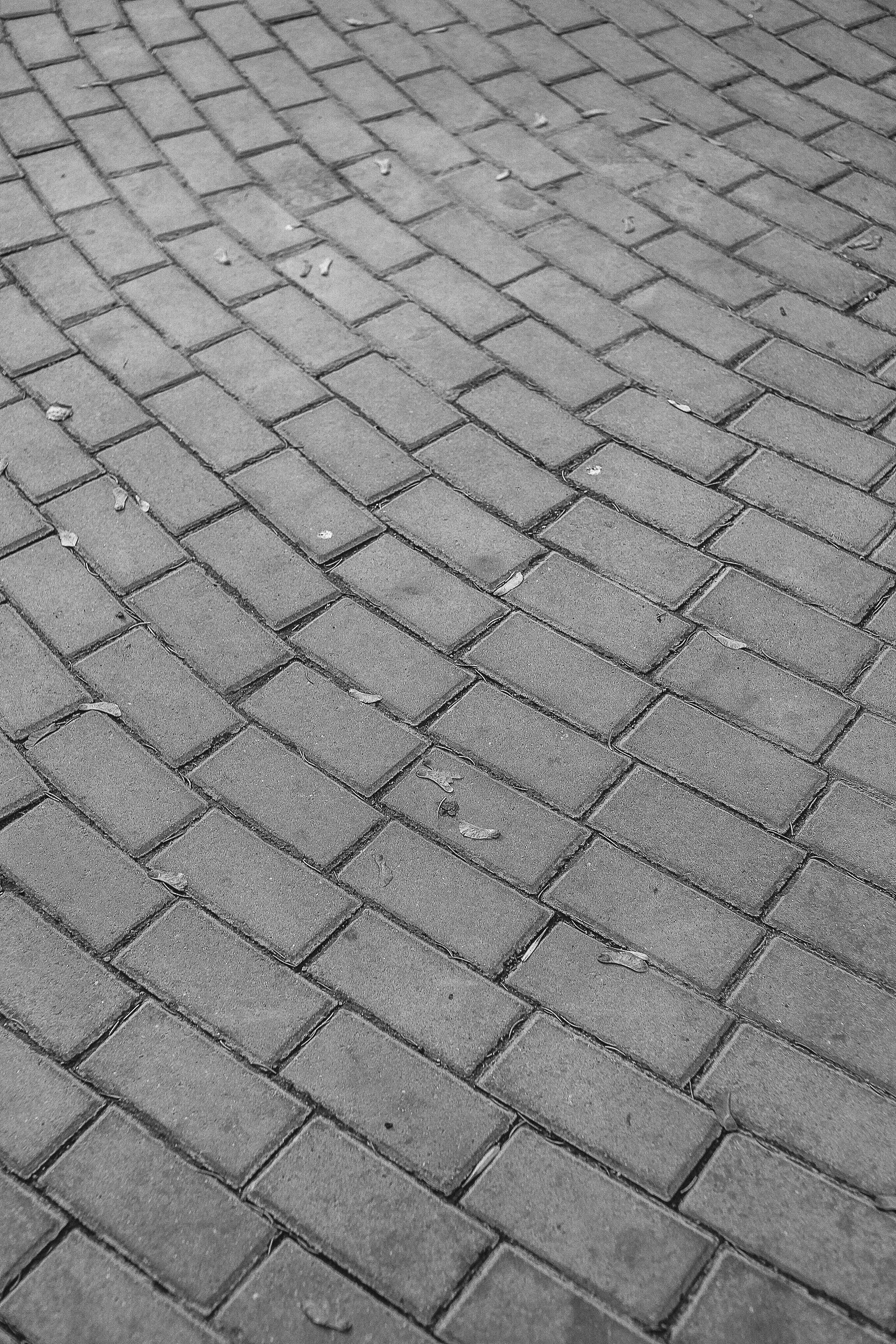
Joint sand locks individual pavers together into one stable surface. Over time, rain, washing, and foot traffic wear it away, allowing pavers to shift and weeds to take root. We clean out the joints, install fresh polymeric sand, compact the surface to settle it, and activate the sand as the manufacturer directs. The work is scheduled for a dry stretch of weather, since the sand needs time to cure.
Typically every few years, and often right after a power washing.
On site: About half a day for an average patio or walk, plus drying time afterward.
What The Visit Includes
- Old sand and debris cleaned out of the joints
- Weeds and moss removed before new sand goes in
- Polymeric sand swept into every joint
- Surface compacted to settle the sand and lock the pavers
- Sand activated and any haze cleaned from the surface
- Extra attention to edges and high-traffic areas
- Guidance on keeping the surface dry while the sand cures
How We Handle The Details
- Any haze is removed gently, so fresh sand is not washed back out of the joints.
- Sand is installed only when the joints are dry.
- Wide joints or failing edges are noted, since they may need more than sand.
- New sand can look slightly darker at first, then weathers to match.
Questions Before You Book
How often should joints be re-sanded?
Every few years for most residential surfaces. Sooner if weeds appear in the joints, if pavers feel loose underfoot, or after a thorough power washing.
What is polymeric sand?
Joint sand mixed with a binder that hardens once it is wetted. It resists washout and weeds much better than plain sand. It holds the joints together, but it cannot correct a weak base underneath.
Can it rain right after?
Not right away. Polymeric sand needs a dry period to cure, so we watch the forecast and reschedule if rain is coming. Sprinklers should also stay off the surface during that time.
Do I need re-sanding if the patio still looks fine?
Possibly. Joints can be half empty while the surface still looks good from a distance. A quick check tells us whether the pavers are still locked together.